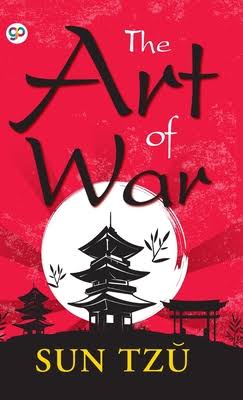
The Art of War is one of the most influential classic works on strategy, leadership, competition, and decision-making ever written. Traditionally attributed to the ancient Chinese military strategist Sun Tzu, this timeless text explores the principles of planning, preparation, intelligence, adaptability, discipline, and strategic thinking. Although originally developed in a military context, its ideas have been studied and applied far beyond warfare.
The enduring appeal of The Art of War comes from its focus on understanding situations before taking action. Rather than encouraging unnecessary conflict, the work emphasizes careful planning, awareness, preparation, and the ability to achieve objectives efficiently. Its lessons encourage readers to think strategically, understand their circumstances, recognize opportunities, and adapt when conditions change.
One of the most important themes in The Art of War is strategy. Effective strategy requires more than strength or resources. It involves understanding objectives, evaluating risks, anticipating challenges, and making decisions based on reliable information. Sun Tzu’s teachings emphasize the importance of knowing both the environment and the factors that influence an opponent’s behavior.
The book also highlights the value of flexibility and adaptability. Circumstances can change quickly, and a strategy that works in one situation may fail in another. Successful leaders must therefore be willing to adjust their plans according to new information and changing conditions. This principle remains relevant in business, management, negotiations, sports, politics, and personal decision-making.
Leadership is another important concept throughout The Art of War. Effective leaders must understand how to organize people, establish clear objectives, maintain discipline, and make thoughtful decisions under pressure. The text explores how leadership can influence morale, performance, and the ability of a group to respond effectively to challenges.
The importance of information and intelligence is also central to the book. Understanding circumstances before making decisions can provide a significant strategic advantage. This idea has particular relevance in today’s world, where businesses and organizations rely heavily on research, market information, competitive analysis, and data to make important decisions.
For modern readers, The Art of War can be interpreted as a guide to strategic thinking and problem-solving. Entrepreneurs may apply its principles to competition and business strategy, managers can consider its lessons when leading teams, and students can use its ideas to develop analytical and decision-making skills.
The book’s concise and memorable principles have helped it remain relevant for generations. Its teachings encourage readers to avoid impulsive decisions, prepare carefully, understand their objectives, and recognize when cooperation or alternative approaches may be more effective than direct confrontation.
If you are searching for a strategy book, Sun Tzu book, leadership book, military strategy classic, business strategy guide, decision-making book, or classic Chinese philosophy text, The Art of War is an essential addition to your reading collection.
Its influence extends across military history, business management, leadership studies, competitive strategy, and popular culture. The book continues to inspire readers because its fundamental lessons are not limited to battlefields. They concern the broader challenge of navigating competition, uncertainty, and difficult decisions.
Ultimately, The Art of War teaches that successful strategy depends on preparation, knowledge, timing, discipline, and adaptability. Its enduring wisdom encourages readers to think before acting, understand the situation, anticipate challenges, and pursue objectives with intelligence rather than unnecessary force. Whether studied as an ancient military classic or a modern strategy resource, The Art of War remains a valuable source of insight into leadership, competition, and the art of strategic thinking.