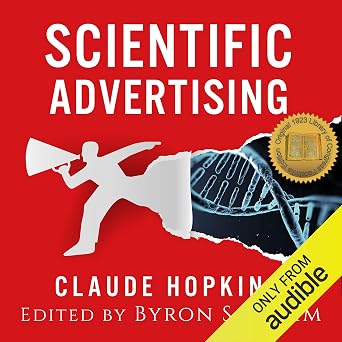
Scientific Advertising is a classic and influential guide to advertising, copywriting, marketing strategy, and consumer psychology. Written by Claude C. Hopkins, the book presents a practical approach to creating advertising that is based on testing, measurement, evidence, and a clear understanding of customer behavior. Although first published decades ago, many of its fundamental marketing principles remain relevant to businesses, advertisers, entrepreneurs, and copywriters today.
At the heart of Scientific Advertising is the idea that advertising should be treated as a measurable business activity rather than simply a form of creative expression. Successful advertising should have a clear purpose, communicate benefits effectively, and produce measurable results. Hopkins encourages advertisers to study what works, test different approaches, and use actual results to improve future campaigns.
One of the book’s most important contributions is its emphasis on testing and measurement. Instead of assuming that an advertisement is successful because it looks attractive or sounds persuasive, advertisers should evaluate its performance based on customer response. This principle laid important foundations for what is now known as performance marketing, conversion optimization, and data-driven advertising.
The book also explores the importance of understanding the customer. Effective advertising begins with knowing what people want, what problems they experience, and what benefits they value. Rather than focusing only on product features, advertisers are encouraged to explain how a product can solve a problem or improve the customer’s situation.
Scientific Advertising provides valuable insights into copywriting and persuasive communication. Clear headlines, specific claims, compelling offers, strong reasons to believe, and straightforward language can all contribute to more effective advertising. The book encourages writers to communicate with customers directly and avoid unnecessary complexity.
Another important topic is the use of samples, demonstrations, guarantees, offers, and other techniques designed to reduce customer uncertainty. These approaches can help potential buyers understand a product and feel more confident about taking action.
The book is especially valuable for entrepreneurs and small business owners who need to make the most of limited advertising budgets. When marketing performance can be measured, businesses can identify which messages and offers generate results and allocate resources more effectively.
For modern marketers, many of the ideas in Scientific Advertising can be connected to digital marketing practices such as A/B testing, conversion rate optimization, email marketing, landing page optimization, direct response advertising, and performance marketing. While advertising platforms and technologies have changed dramatically, the underlying principle of testing messages and measuring customer response remains highly relevant.
If you are searching for a classic advertising book, copywriting guide, marketing strategy book, direct response marketing resource, consumer psychology book, or advertising principles guide, Scientific Advertising is an important addition to your marketing library.
The book can benefit beginners who want to understand fundamental advertising concepts as well as experienced marketers looking for timeless principles. Its practical focus makes it particularly useful for anyone involved in creating advertisements, writing sales copy, developing offers, or measuring campaign performance.
Ultimately, Scientific Advertising presents advertising as a discipline that can be studied, tested, and improved. It encourages marketers to replace guesswork with research, experimentation, and measurable results. By focusing on the customer, communicating clear benefits, testing different approaches, and learning from actual performance, advertisers can create campaigns that are more purposeful and effective.
Whether you work in traditional advertising or modern digital marketing, Scientific Advertising offers timeless lessons about persuasion, customer behavior, copywriting, testing, and marketing effectiveness. Its emphasis on evidence-based advertising makes it a valuable resource for anyone who wants to understand the foundations of successful marketing and develop a more strategic approach to reaching customers.