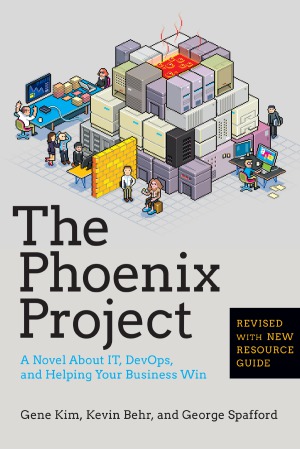
The Phoenix Project: A Novel About IT, DevOps, and Helping Your Business Win is a highly engaging business and technology novel that explores the challenges of modern IT operations, software development, teamwork, and organizational change. Told through a fast-paced fictional story, the book introduces readers to the principles of DevOps while showing how technology teams can work more effectively with the rest of a business.
The story follows an IT manager who suddenly finds himself responsible for a troubled and business-critical project. Facing missed deadlines, technical problems, conflicting priorities, and pressure from senior leadership, he must find a way to improve the performance of his IT organization. What begins as a seemingly impossible challenge becomes an opportunity to discover better ways of managing technology, people, processes, and business objectives.
At the center of The Phoenix Project is the relationship between IT and business success. In many organizations, technology departments can become overwhelmed by urgent requests, system failures, projects, and operational problems. When teams work in isolation, small issues can quickly become major obstacles. The book demonstrates how improving communication, visibility, collaboration, and workflow can help organizations deliver better results.
One of the book’s most important themes is DevOps. Rather than treating development and operations as completely separate functions, DevOps encourages collaboration between teams throughout the software delivery and operational lifecycle. The Phoenix Project presents these concepts through relatable characters and real-world organizational problems, making complex ideas easier to understand.
The book also explores the importance of identifying bottlenecks. When one part of a workflow becomes overloaded, it can slow down an entire organization. By recognizing constraints and managing work more effectively, teams can improve productivity and reduce unnecessary delays. These principles are useful not only for IT departments but for businesses dealing with complex processes in many different industries.
Another valuable lesson is the importance of continuous improvement. Technology environments constantly change, and organizations must be able to learn from failures, improve processes, and adapt to new challenges. The story demonstrates how creating a culture of learning and collaboration can help teams move away from recurring problems and toward more sustainable ways of working.
For readers interested in DevOps, IT management, software development, business technology, systems administration, Agile practices, and organizational transformation, The Phoenix Project provides an accessible introduction to important concepts. Because the ideas are presented through a novel rather than a traditional technical manual, the book can be especially engaging for readers who prefer learning through storytelling.
IT professionals, software engineers, developers, system administrators, project managers, technology leaders, and business executives can all find relevant lessons in the book. It encourages readers to consider how technical decisions affect customers, employees, revenue, and overall business performance.
If you are searching for a DevOps book, IT management book, software development novel, technology leadership book, Agile and DevOps resource, or business technology guide, The Phoenix Project is a valuable addition to your reading list.
Ultimately, The Phoenix Project demonstrates that successful technology organizations are built on more than tools and technical expertise. Communication, collaboration, workflow management, prioritization, and continuous improvement are equally important. By combining an entertaining business story with practical DevOps principles, the book helps readers understand how IT teams can overcome organizational challenges, deliver value more efficiently, and contribute directly to business success.