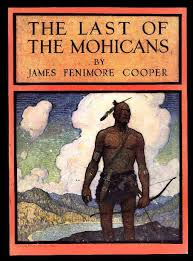
The Last of the Mohicans: The Grey Translation presents James Fenimore Cooper’s celebrated historical adventure in a refreshed form, bringing the drama, atmosphere, and emotional intensity of the classic story to contemporary readers. Set against the backdrop of the French and Indian War in eighteenth-century North America, the narrative combines wilderness adventure, political conflict, friendship, loyalty, romance, and survival.
At the center of the story are the legendary frontier scout Hawkeye and his Mohican companions, Chingachgook and Uncas. Their knowledge of the wilderness and their courage place them at the heart of a dangerous journey involving military forces, Native American nations, and European settlers. As rival groups struggle for control of the frontier, the characters must navigate forests, rivers, battlefields, and uncertain alliances while attempting to protect those who depend on them.
One of the most distinctive features of the novel is its vivid portrayal of the North American wilderness. Dense forests, hidden trails, rocky landscapes, and sudden encounters create an atmosphere of constant uncertainty. The natural environment is more than a setting; it becomes an active force that shapes the characters’ decisions and challenges their ability to survive. Cooper’s descriptions create a strong sense of place while emphasizing the contrast between civilization and the untamed frontier.
The story also explores relationships between different cultures and communities. Through characters such as Chingachgook and Uncas, the narrative examines themes of heritage, identity, loyalty, and cultural change. Their presence provides an important dimension to the story as the traditional world of the Mohicans encounters the expanding influence of European colonial powers and warfare.
Adventure remains a central element throughout the book. Pursuits, escapes, ambushes, battles, and difficult journeys keep the narrative moving while revealing the courage and weaknesses of its characters. Alongside these action-oriented episodes are moments of sacrifice, affection, grief, and moral conflict, giving the story emotional depth beyond its historical setting.
The “Grey Translation” presentation offers readers an opportunity to approach this enduring work through a modernized reading experience while retaining the fundamental character of Cooper’s narrative. It can appeal to readers interested in classic literature, historical fiction, frontier adventures, and stories involving cultural encounters.
Ultimately, The Last of the Mohicans: The Grey Translation is a story about survival, courage, loyalty, and the consequences of conflict. Its combination of wilderness adventure and historical drama has helped establish the novel as an influential work of American literature. For modern readers, this edition provides a pathway into a richly imagined world where personal destinies unfold amid war, cultural transformation, and the immense wilderness of eighteenth-century America.